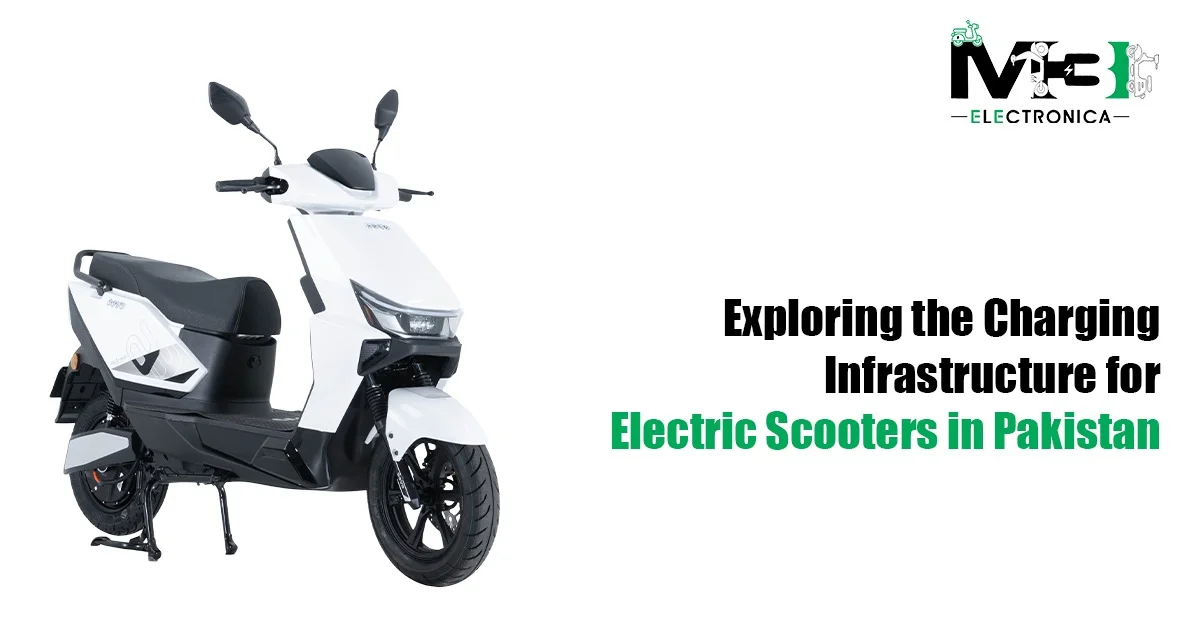
Electric scooters are rising in popularity across Pakistan — not just for convenience and cost savings, but also as a cleaner, smarter way to commute. However, one concern many potential riders have is: “Where can I charge my electric scooter?”
In this guide, we’ll explore the current charging infrastructure for electric scooters in Pakistan, explain what’s already available, what’s coming next, and how riders can best prepare for efficient charging whether at home or on the road.
Why Charging Infrastructure Matters
Electric scooters depend on reliable charging — just as motorcycles need petrol stations. A strong charging network means:
- Less range anxiety
- Better everyday usability
- Higher confidence for long-distance travel
- Faster adoption of e-mobility nationwide
Without a supportive charging infrastructure, riders may struggle to use their scooters beyond short distances.
Home Charging: The Most Reliable Option
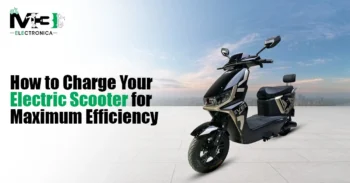
For most riders in Pakistan, charging at home remains the most convenient and dependable solution.
Setting Up Home Charging
- Dedicated Power Outlet: A stable, grounded socket is best.
- Proper Charger: Always use the manufacturer-approved charger.
- Cool Environment: Charge indoors or in shaded, ventilated areas.
Tip: Charge after daily use or when the battery drops to around 20–30% for maximum battery health and lifespan.
Public Charging Stations: Growing Slowly
Unlike petrol stations, dedicated charging points for electric scooters are still in the early stages in Pakistan. However:
- Some shopping centers and parks offer public power outlets riders can use.
- Private communities are starting to install charging pads or outlets for residents.
- EV support initiatives by local businesses are beginning to appear.
Reality Check: Public charging stations are not yet widespread — which makes planning ahead important for longer trips.
Charging on the Go: Practical Tips
Since public chargers are limited, here are ways to charge while you’re out:
- Ride to Destinations with Power Access: Cafés, gyms, or workplaces.
- Portable Power Banks (if supported): Some scooters allow external power solutions.
- Planning Your Route: Know where you’ll need to recharge before you set out.
Future of Charging Infrastructure in Pakistan
Pakistan’s electric mobility ecosystem is evolving:
- Increased interest from EV startups
- Installation of dedicated charger hubs in major cities
- Potential government incentives to support e-mobility
As infrastructure grows, it’ll become easier for riders to take electric scooters on longer journeys without worrying about running out of power.
Conclusion
While Pakistan’s charging infrastructure for electric scooters is still developing, home charging remains the most efficient and reliable option for daily riders. With growing public support and potential future charging hubs, the future looks promising for electric scooter users across major cities.
Frequently Asked Questions (FAQs)
- Are there electric scooter charging stations in Pakistan?
Some public areas offer outlets, but dedicated electric scooter charging stations are still limited. - Is home charging safe and effective?
Yes. Charging at home with a proper outlet and original charger is the best solution today. - Can I charge my scooter at malls or offices?
Yes — if there’s access to a stable power outlet. Always ask for permission first. - How long does home charging usually take?
Charging time varies by battery size but typically ranges from 3–6 hours. - Do electric scooters need special infrastructure like EV cars?
Currently, scooters can charge from regular power outlets, so special infrastructure isn’t mandatory yet.
Call to Action
Ready to embrace electric mobility with confidence? M3 Electronica offers advanced electric scooters with excellent battery performance and real-world practicality. Explore our selection today and enjoy efficient rides, smart charging habits, and affordable daily commuting — all in one. Visit M3 Electronica now!